
Why Commercial Property Valuations Matter
Article Highlights:
- Construction and rebuild costs change over time, and your property’s insured value should reflect these realities.
- Underinsuring your business can violate coinsurance requirements or trigger margin clauses that can result in a significant reduction to the amount you can receive for a claim.
- Periodic valuation reviews help make sure your business insurance accurately reflects replacement costs
As part of your overall business insurance program, commercial property coverage plays a critical role in protecting your property and physical assets. But that protection is only as strong as the values listed on your policy.
Commercial property insurance is typically based on replacement cost. This means coverage is calculated based on what it would cost to rebuild your property today using similar materials and workmanship, while factoring in current labor rates and modern building standards.
Over the past several years, rebuilding costs have changed significantly. In Massachusetts, replacement costs can be affected by:
- Labor costs throughout the region
- Material pricing fluctuations
- Updates to state and local building codes
- Energy efficiency standards
- Coastal construction requirements in certain communities
If your insured values have not been reviewed recently, they may no longer reflect what it would actually cost to rebuild after a loss. Keeping valuations current helps ensure your coverage aligns with today’s construction environment and helps prevent unexpected gaps at claim time.
Understanding Coinsurance in Business Insurance
In property insurance, coinsurance doesn’t mean you split the bill with the insurance company. It is an insurance-to-value requirement. This means you must carry coverage equal to a certain percentage of your building’s full replacement cost, often 80, 90, or 100 percent.
If you fall below that threshold, the claim payment could end up being significantly less than what is required to rebuild your business.
A simple example:
- Your building would cost $2,000,000 to rebuild today.
- Your policy requires 90 percent coinsurance.
- You are carrying $1,500,000 in coverage.
To meet the requirement, you would need at least $1,800,000 in coverage. Because the insured limit is lower than required, a loss payment could be reduced, even if the loss itself is less than your total policy limit.
Many business owners don’t realize that they will receive a reduced payout due to insufficient insurance until a claim occurs.
Margin Clauses and Blanket Limits
In addition to coinsurance, it is important to understand whether your commercial property policy includes a margin clause. Margin clauses can limit how much the insurance company will pay at a specific location to a percentage of the value reported for that location, even if you have a blanket limit across multiple properties.
This can mean that if reported values are outdated and don’t reflect current assessments, this type of provision can further restrict recovery after a loss.
Not every policy includes a margin clause, so it is important to understand exactly how your business insurance policy is structured.
Why This Matters for Southeastern Massachusetts Businesses
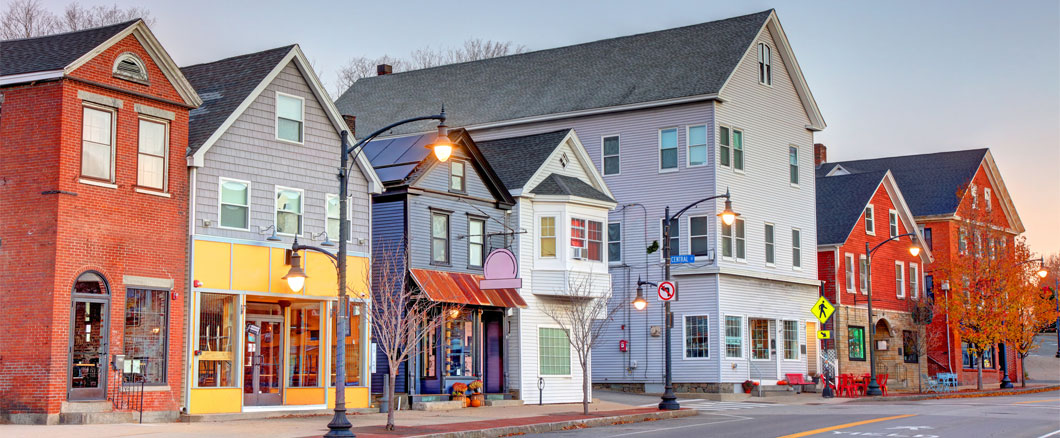
Commercial buildings in our region often have unique characteristics such as:
- Older structures that may require code upgrades after a loss
- Mixed-use buildings in town centers
- Coastal exposure in certain communities
- Renovations or additions completed over time
Each of these factors can affect replacement costs. Periodic reviews help ensure your business insurance coverage keeps pace with those changes.
Code Upgrades, Demolition Costs, and Older Buildings
Many commercial buildings in Southeastern Massachusetts were built decades ago. If a covered loss occurs, local building codes may require that certain conditions are met before repairs can be completed. In older buildings, these added costs can significantly increase the total cost of rebuilding.
For example:
- Older electrical systems may need to be brought up to current code.
- Fire suppression systems may be required where they were not previously installed.
- Adherence to energy efficiency standards may be required during reconstruction.
- Hazardous materials, such as asbestos, may need professional remediation before rebuilding can begin.
Standard commercial property policies typically cover direct physical damage. However, additional costs related to code upgrades, demolition of undamaged portions of a building, or removal of hazardous materials may require specific ordinance or law coverage. If you are unsure about what your policy covers, feel free to reach out to one of our Morse Insurance professionals to determine the best coverage for you and your business.
When Should You Review Your Building Values?
We recommend reviewing commercial property valuations:
- Every one to two years
- After renovations or additions
- When construction costs shift significantly
- If you have not revisited your Statement of Values recently
For larger or more complex properties, a professional appraisal may be appropriate. In other cases, updated valuation tools and a policy review can help confirm whether limits are accurate.
A Practical Step for Business Owners
Ensuring you have the appropriate coverage for your business isn’t about automatically increasing your limits. It’s about maintaining proper insurance relative to the value of your property.
An updated valuation can help you:
- Meet coinsurance requirements
- Avoid unexpected claim reductions
- Maintain accurate coverage
- Recover more smoothly after a loss
If it has been a few years since your business insurance was reviewed, it may be time to revisit your property values.
Morse, of Course, Can Assist You in Reviewing Your Business Insurance Policy
Regularly reviewing your commercial property coverage helps ensure your business is protected against unexpected losses. Replacement costs change over time, and provisions such as coinsurance requirements or margin clauses can affect how a claim is settled. A periodic review helps confirm that your building values and overall business insurance program reflect current conditions.
If you have questions about your coverage or want to find out if your business would be a good fit for a commercial package policy (CPP) or a businessowners policy (BOP), call us today at 508-238-0056 or visit us at one of our Massachusetts locations. Morse Insurance is here to help business owners across Southeastern Massachusetts stay protected and prepared.